An older panel that's full
What's behind it: No room for new circuits, or an old panel that can't carry today's loads.
What we check first: Panel capacity, the service coming in and what you plan to add.
Local electrician pros serving Racine. Free Estimates, honest scopes, no pressure.
No-Pressure Estimates
Phone us and describe the job, asking is free.
Serving Racine & nearby
We're an electrical contractor working across Racine. We take calls from a breaker that keeps tripping up to a full 100A to 200A service upgrade, plus EV charger installs and ceiling fans.
Roughly half of Racine's homes were built before the early postwar years, and that explains most of what we find behind a panel cover. Wiring sized for a house with a radio, a refrigerator and a few lamps is now carrying central air, a dryer, a microwave and a chest freezer in the basement. The wire often hasn't failed on its own. It's been asked to carry more than it was ever meant to.
Hot humid summers work on the same weak points. A connection that was merely loose in April runs warm in July, and every air conditioner on the block is pulling at the same hour. When someone tells us a breaker only trips on the hottest afternoons, we look at the load and the connections first, not just the breaker.
The houses shape the work too. Much of the housing here dates from the twenties through the sixties: bungalows, workers' cottages, homes finished in brick, stone, stucco, concrete block, clapboard or shingles, many on stone or brick foundations. You can't fish a new circuit through a brick wall the way you would through a modern stud wall, and we plan the day around that.
Dead outlets and dead circuits. Breakers that trip, lights that flicker or hum, switches that feel warm to the touch. New circuits for a kitchen, a basement or a workshop. Worn receptacles and devices replaced. The intermittent problems that only show up when it rains or when the dryer runs.
Then panels and services. When a house has outgrown its 100A service, moving to 200A is a real job, not a swap. It starts with a whole-home load calculation per NEC Article 220, so we know what the house actually demands before anyone touches the service. We coordinate with the utility for the meter reconnect, since that part isn't ours to schedule alone.

An EV charger is a continuous, heavy load, and the first question is whether your panel can carry it. On a 100A service we don't guess. We run the calculation. Sometimes there's room. Sometimes the service has to go to 200A first, and then the charger becomes part of the same project.
Where the charger goes matters as much as the panel. An attached garage is one kind of run. A detached garage or a post by the driveway can mean trenching, and the soil here is deep silty clay loam and prairie soil, so a long run costs more than a short one. If the spot you want costs noticeably more than a spot ten feet closer to the panel, we'll tell you before we start.
Every charger goes on its own dedicated circuit, sized to the unit.
Ceiling fans are summer work here, and most of what we find isn't the fan. It's what the fan is hanging from. A wobbling fan, or one mounted to a box meant for a lamp, is worth fixing before it comes down on its own.
In older houses the ceiling box often has wiring that's been spliced a few times over the decades, or a switch loop with no neutral. We check what's feeding the box and whether it can carry the fan before we hang anything, and we say so if the answer is a new circuit rather than a swap.
The same approach covers dimmers that buzz, bathroom fans venting humid air into an attic, and outdoor receptacles that have been taking on water.
Call us and we can give you a typical range for a job like yours. The firm figure comes after we've looked at the panel and the run. Price follows four things: spare space and capacity in the panel, the age and state of the wiring already in the walls, the length of the run, and whether the cable has to get through brick, a finished basement ceiling or open framing. A service upgrade is a bigger number than an EV charger circuit, and a ceiling fan is smaller than both. Our written quote lists the panel work, the circuit and any permit as separate lines.
The visit goes like this. We look at the panel, the service entrance, the grounding and bonding, and the point of use. Where the job adds a large load or changes the service, we run the load calculation. Before any work starts, we walk you through what the panel and wiring showed and what we'd change. Then parts, scheduling and the work. If the meter has to come off, we coordinate the reconnect with the utility first.
Permits depend on the scope of the job. We handle them, and any inspection that follows.
If something is warm, smells like burning, or a breaker won't reset, stop using it and call us. Those are the calls we want early, because the damage is usually in the connection, not the device.
If a breaker trips once in a while on a hot afternoon and resets fine, it's usually not an emergency. Unplug what's on that circuit, write down what was running when it tripped, and call when it's convenient. That note is worth more to us than a description from memory.
When you call, have the amperage on the main breaker and a photo of the panel with the cover on. If you know roughly when the house was built, say so. The main breaker rating and the panel photo let us size up a service or charger job before we arrive.
These ranges show roughly what this work costs, and we can talk through a typical range before anything is booked.
$130–$300
$250–$500


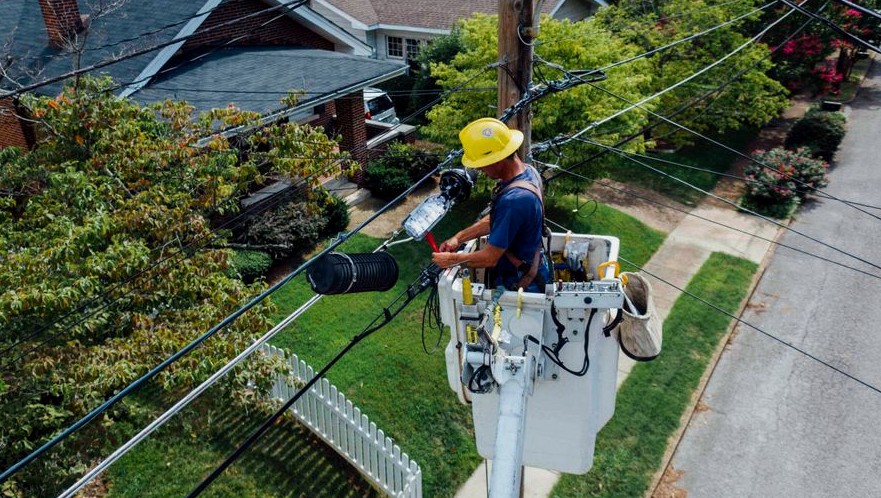
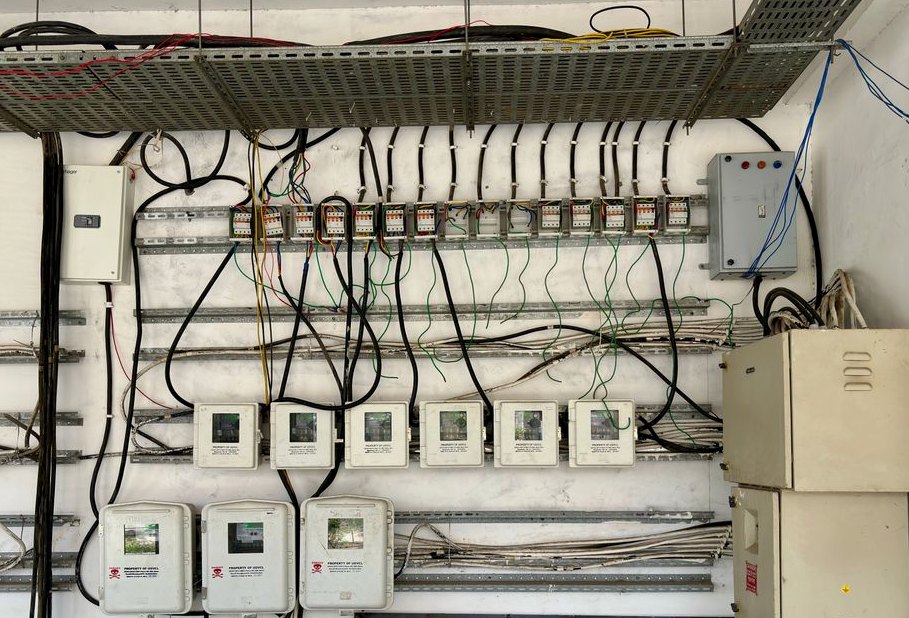
Illustrative photos by service type, to help you plan your project.


Each one has a usual cause, and we check for it before quoting a fix.
What's behind it: No room for new circuits, or an old panel that can't carry today's loads.
What we check first: Panel capacity, the service coming in and what you plan to add.
What's behind it: A charger needs its own dedicated circuit sized to the unit.
What we check first: Panel capacity and the run from the panel to where you park.
What's behind it: An overloaded circuit, a failing breaker, or a fault somewhere on the line.
What we check first: The load on that circuit, the breaker itself and the wiring it feeds.
We work across Racine, WI. Call (262) 583-6810 if you're not sure we reach you.
No guesswork about what comes next:
One quick call is usually enough for us to understand the job and what it'll take.
We come out and look at the job in person, then walk you through what we find.
You get the scope and the price in writing before any work starts. No surprises.
Broken down, here's what's involved:
Licensing is a legal requirement that confirms the electrician meets state standards for safety and knowledge. Certification usually refers to manufacturer or trade-specific training, such as on EV chargers or surge protectors. Both matter, but only a licensed electrician can legally perform most residential and commercial work.
Earnings depend on experience, specialization, and whether the electrician owns a business. Many earn solid middle-class incomes, with top earners exceeding $100,000 annually through service calls, upgrades, and commercial contracts. Factors include overtime, emergency work, and the ability to handle complex jobs like whole-home load calculations.
Routine service calls often involve installing or replacing GFCI receptacles, adding dedicated circuits, or troubleshooting. Homeowners also request ceiling fan and light fixture installations, whole-home surge protectors, and EV charger circuits. These tasks require proper circuit tracing, labeling, and torque-to-spec terminations for safety and code compliance.
Handymen may handle very minor tasks like swapping outlets in some areas, but most electrical work requires a licensed electrician. Jobs involving panels, service upgrades, new circuits, or GFCI protection must meet code and are usually restricted to licensed pros. Using an unlicensed person can void insurance and create safety risks.
The practice reduces the chance of current passing through the chest and heart if accidental contact occurs. It is a basic safety habit taught during training, especially when working on live panels or during troubleshooting. Electricians still prefer to de-energize circuits whenever possible and follow lockout procedures.
Most charge a diagnostic or service call fee, typically $100 to $350, which may be credited toward repairs. Free visits are uncommon except for pre-scheduled quotes on larger projects like panel upgrades. Always confirm the fee structure before scheduling so you know what the initial visit will cost.
No-Pressure Estimates
(262) 583-6810Talking it through by phone takes a few minutes, and there's no pressure to book.
Request an Estimate